You have no items in your bag
How to Get Rid of Crow’s Feet Wrinkles Around the Eyes
Updated Aug 28, 2026
Just like gray hairs and developing a sixth sense for when the kids are up to no good, crow’s feet are another part of becoming older and wiser. But sometimes, you may look in the mirror and wonder, “I wouldn’t mind being this wise and looking a little less old.”
And in that regard, we’re all birds of a feather.
Crow’s feet are one of the most common wrinkles that appear as part of skin aging, especially around the eyes. The delicate skin around the eyes tends to show signs of aging earlier than other areas of the face, which is why many people first notice fine lines or an eye wrinkle at the outer corners of their eyes.6
This guide will help you understand the causes of crow’s feet, prevention methods, and treatment options available, so you can reduce the appearance of crow’s feet without giving up your smile.
What Are Crow’s Feet Wrinkles?
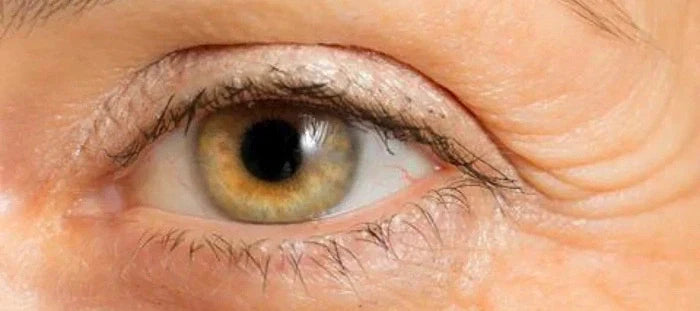
Crow’s feet are fine lines and wrinkles around the eyes that form at the corner of your eyes and extend outward. These wrinkles around your eyes are also known as lateral canthal lines and typically appear at the outer corners of your eyes.
You may notice lines or a wrinkle around your eyes when you smile in the mirror, but then those lines disappear when your face relaxes. That’s because crow’s feet, and most wrinkles, can be divided into two types, dynamic and static.1
Dynamic vs. Static Eye Wrinkles
- Dynamic – Dynamic wrinkles show up during muscle contractions. For example, when you laugh, smile, or squint, your facial muscles contract, which can cause fine lines around the eyes.
- Static – Static wrinkles, on the other hand, stick around whether you’re smiling or frowning. These wrinkles at the outer corner of your eyes are visible even when your face is at rest and tend to deepen as skin around the eyes loses strength and elasticity.
What Causes Crow’s Feet?
Crow’s feet don’t show up overnight. The development of crow’s feet happens gradually as the skin around your eyes changes over time.

Aging
It’s unfortunate, but it’s true that the longer you’re on this earth, the more likely you are to show signs of aging (like crow’s feet). That’s because, over time, the skin’s elastin and collagen production decrease.
Without those plumping and stretching ingredients, the skin around becomes thinner, less resilient, and more prone to wrinkles around the eyes.
But why are crow’s feet one of the first signs of aging? It’s because the skin around the eye is 40% thinner than the skin on the rest of your face. Every blink, laugh, grin, and raised eyebrow leaves a small impression. After years of those moments, the impressions stick.
(Sun Exposure and) Free Radicals
Free radicals aren’t a cool rock band from the 70s. They’re unstable molecules that cause damage to other cells. These molecules try to stabilize themselves by bonding with other molecules or atoms and snagging an extra electron. This creates what’s called “oxidative stress” in your cellular system, which breaks down collagen that keeps your skin taut and plump.2 Think of free radicals like hungry toddlers with empty plates at snack time. These cranky kids will probably wander over to toddlers with snacks (your healthy cells) and gobble what they can (electrons). But that just creates more cranky toddlers.
Here are the major sources of free radicals in your day-to-day life:
- The sun – Radiation causes free radicals, and the sun is the most significant source of radiation on the planet or technically near the planet. Damaging UV rays can create a wild horde of free radicals loose in your cells, expediting signs of aging.
- Eating too many highly processed foods – Preservatives found in processed foods can lead to the production of free radicals in your body. You’ll find high amounts of free radical-causing preservatives including: Processed meat like bacon, sausages, and salami, refined sugars or carbs, and processed snack foods
- Alcohol – Excessive alcohol consumption can lead to free radical production in the body and signs of aging.
Don’t worry, an occasional happy hour won’t kill you, or your skin. Drinking moderately is fine. The CDC defines moderate alcohol consumption as 1 drink per day for women and up to 2 drinks per day for men.3 Plus, red wine has free-radical-fighting antioxidants, so consider this a ( fake) doctor’s note for a nightly Pinot Noir.
Lifestyle Choices and Repetitive Movements
Daily habits can also sneak into the development of crow’s feet. Repeated squinting, late nights, dehydration, a hit-or-miss skin care routine, and stress all put extra pressure on the delicate eye area. Over time, those small stresses add up, weakening the skin’s support system and making fine lines and wrinkles more likely to settle in around the eyes.
How to Prevent Crow’s Feet
There are plenty of effective ways to prevent crow’s feet and none of them include not smiling or laughing.Try these prevention methods to help thicken, strengthen, and protect the skin around your eye:
Use Sunscreen
Sunscreen is simple, but it’s superpowered. Using sunscreen protects your skin from sun exposure and the sun’s damaging UV rays. Look for a tinted SPF 30+ sunscreen and be sure to apply gently around the eyes. Don’t forget to reapply throughout the day and make it part of your daily skin care routine!
Wearing sunglasses also helps. They block UV exposure and help prevent squinting, both of which can speed up wrinkle formation. Plus, sunglasses never go out of style!
Support Skin With Moisturizers and Eye creams
The delicate skin of your eye needs special attention, and when it's hydrated, it behaves better. Quality moisturizers and eye creams help lock in hydration and support your skin’s elastin and collagen production. It can also strengthen and thicken the thin eye skin to help with under-eye wrinkles.
Stick With a Consistent Skin Care Routine
A consistent skin care routine matters more than a complicated one. Cleansing, moisturizing, and protecting your skin every day helps support long-term skin health and keeps the delicate skin around your eyes in better shape as it ages.
How to Get Rid of Crow’s Feet
If you’re looking to get rid of crow’s feet, or at least reduce their appearance, you have options. Some work at home, others happen in a dermatologist’s office.
At-Home Skincare Solutions
Many of the best eye creams and eye serums focus on hydration and renewal. Ingredients like retinol help encourage skin turnover, while hyaluronic acid draws moisture into the skin to smooth the look of wrinkles around your eyes.
You can find the best treatment for crow’s feet4 wrinkles right here:
ALASTIN’s Restorative Eye Treatment
Our Restorative Eye Treatment with TriHex Technology® takes a different approach. Instead of simply masking fine lines, it helps clear out damaged collagen and elastin while supporting your skin’s natural ability to rebuild new, healthy structure. It’s your one-stop shop to help reduce crow’s feet and fine lines, all in one powerful package.
The result? Smoother-looking skin around the eyes and a visible reduction in the appearance of crow’s feet and fine lines over time.
The Restorative Eye Treatment has earned recognition from both beauty editors and skin experts alike, including being named Best Anti-Aging Eye Cream in InStyle’s Best Beauty Awards two years in a row. It’s also been recommended by board-certified dermatologists, including Dr. Onyeka Obioha, MD, and featured by dermatology experts on Who What Wear.
In-Office Dermatology Treatments
Botox
Botox injections are one of those treatments that gets tossed around beauty salon waiting rooms, dermatologist offices, and skincare blogs, but what is it?
In short, Botox is a neurotoxin treatment derived from botulinum toxin.5 That may sound intimidating, but when used correctly by a medical professional, Botox can help soften wrinkles and fine lines around the eyes by limiting repetitive muscle movement. (And just to be clear, please do not DIY your botox injection).
A small injection of Botox near the eyes relaxes the muscles around the eye area. This prevents the muscles from contracting and reduces the appearance of wrinkles. But the wrinkles won’t go away forever Botox needs to be re-injected every few months.
Fillers
Hyaluronic Acid helps plump up the skin around the eyes to smooth out wrinkles and fine lines of crow’s feet. Hyaluronic Acid dermal fillers are injectable fillers that can reintroduce plumpness around your eyes.
Microneedling, Lasers, and Chemical Peels
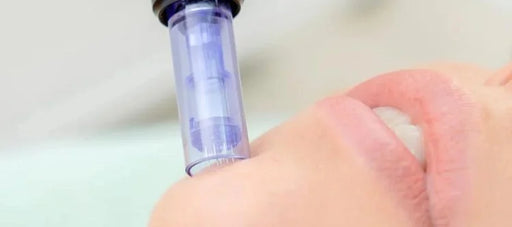
These tiny needles encourage blood platelets to produce hormones and growth compounds, jumpstarting your skin’s collagen and elastin production. After multiple sessions, patients can see reduced fine lines around their eye area.
Facial Acupuncture
Beauty acupuncture stimulates collagen and elastin production painlessly to create stronger, firmer skin around your eye area. There’s no downtime. This practice can also improve microcirculation to help reduce puffiness and discolored skin.
Microneedling, Lasers, and Chemical Peels
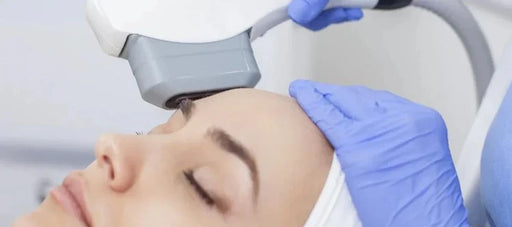
Lasers aren’t just used in Lost in Space anymore, they’re for renewing skin and feeling beautiful. Laser treatments can resurface your skin, eliminating older layers and dead skin cells while allowing fresh, new skin to shine through.
Your newer skin layers have more elastin and collagen, resulting in firmer, plumper skin around the eye. But be warned, laser treatments aren’t always painless. Some have compared the laser treatment to having a rubber band snapped against the skin over and over again. Read our blog on how to take care of your face after laser treatments if you’re interested in this treatment method.
When to See a Dermatologist
If you notice crow’s feet becoming more pronounced or want help choosing the right approach, a board-certified dermatologist can evaluate your skin and recommend treatments or skin care products that fit your goals and your skin.
Renew Your Skin with ALASTIN
Your crow lines are signs of a life well-lived. It’s a record of your smiles, your laughs, your highs, and your lows. Each line is evidence of your life, one full of joy and expression. But would we like to look as joyous as those years were? Of course! And for that, you have ALASTIN Skincare.
Our science-backed skin solutions can help you shed the signs of aging. With revolutionary TriHex Technology®, your skincare routine can reveal the glowing goddess within.
Sources:
- Healthline. Treating, Concealing, and Preventing Crow’s Feet. www.healthline.com/health/beauty-skin-care/crows-feet
- PubMed Central. Free Radicals and Extrinsic Skin Aging. www.ncbi.nlm.nih.gov/pmc/articles/PMC3299230/
- CSC. Alcohol Use and Your Health. www.cdc.gov/alcohol/faqs.htm
- Bazaar. SkinSchool: 'Crow's Feet' Causes and Treatments. www.harpersbazaar.com/uk/beauty/skincare/a34611/beauty-sos-how-to-get-rid-of-crows-feet/
- Medical News Today. Botox: Cosmetic and medical uses. www.medicalnewstoday.com/articles/158647
- Cleveland Clinic. (2023). Crow's Feet (Lateral Canthal Lines). https://my.clevelandclinic.org/health/diseases/24586-crows-feet

Featured Products
4.8
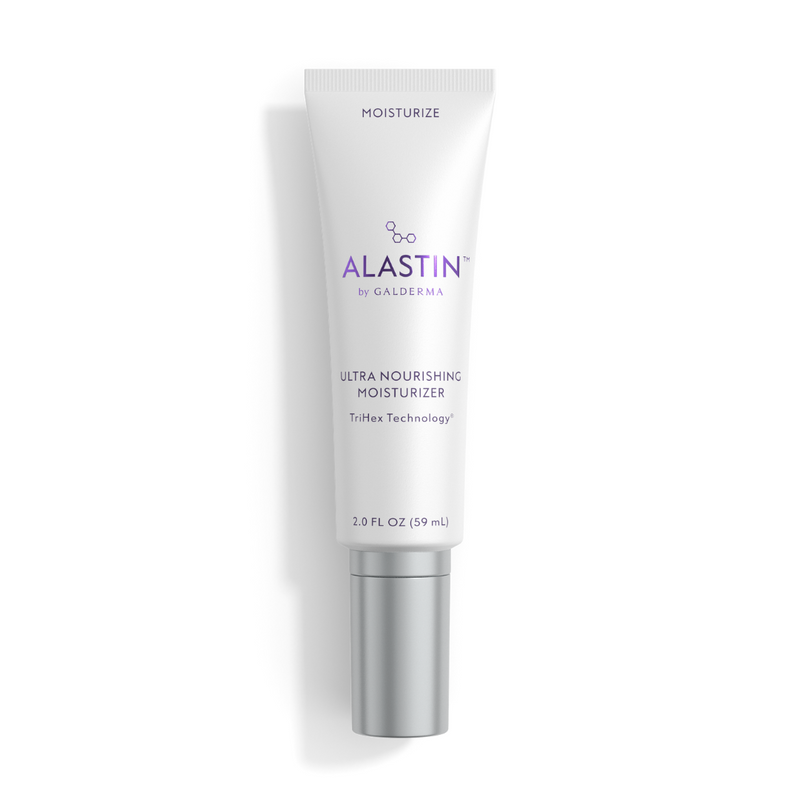
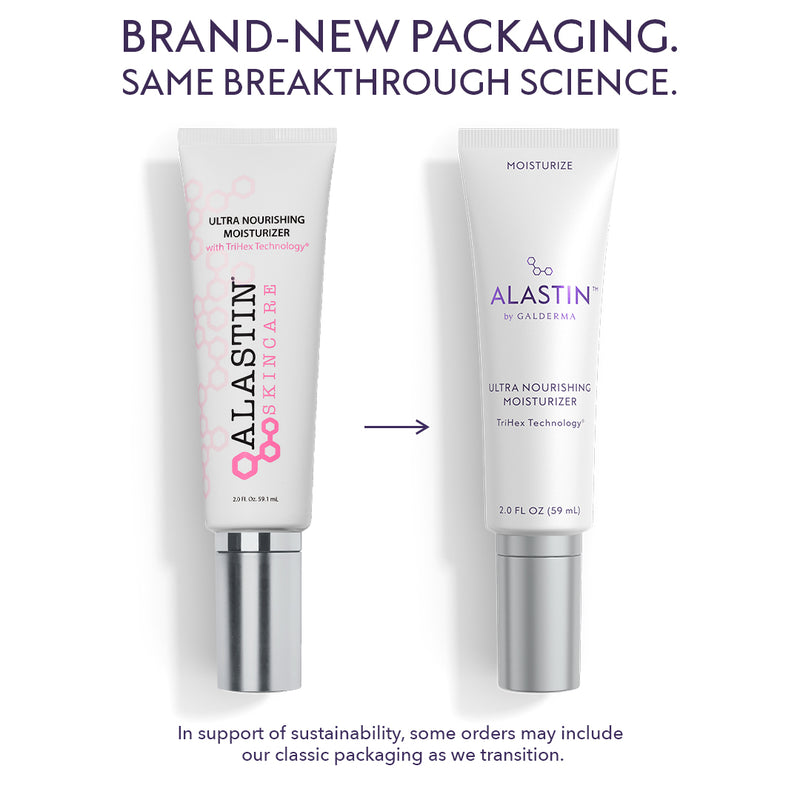
Ultra Nourishing Moisturizer with TriHex Technology®
$98.00
Designed to soothe, nourish, and hydrate skin.
4.8
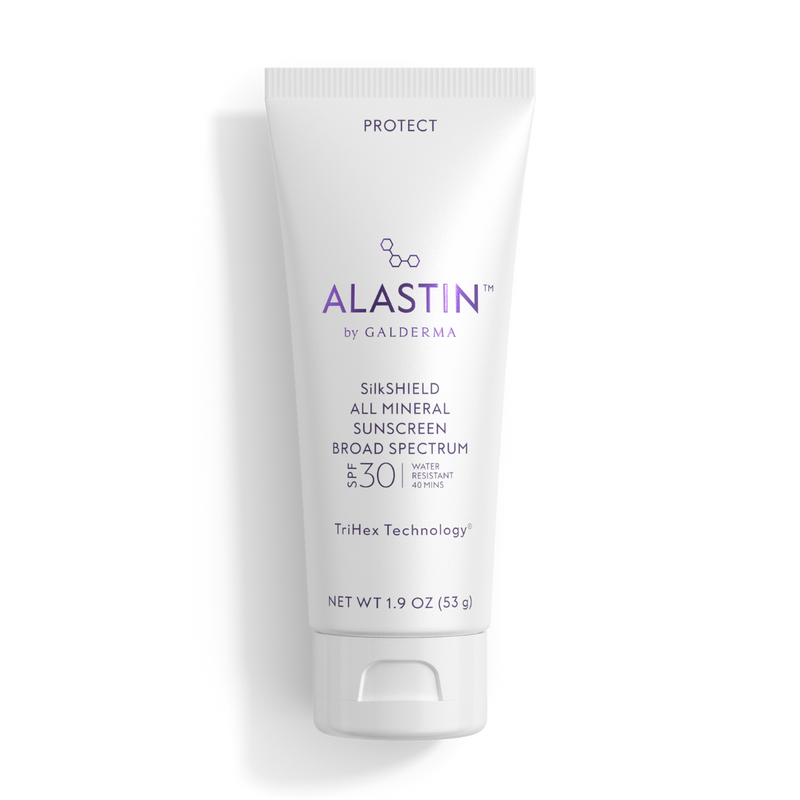

SilkSHIELD® All Mineral Sunscreen SPF 30 with TriHex Technology®
$78.00
A mineral sunscreen with gentle protection.