You have no items in your bag
Non-Surgical Skin Tightening Procedures: What You Need to Know
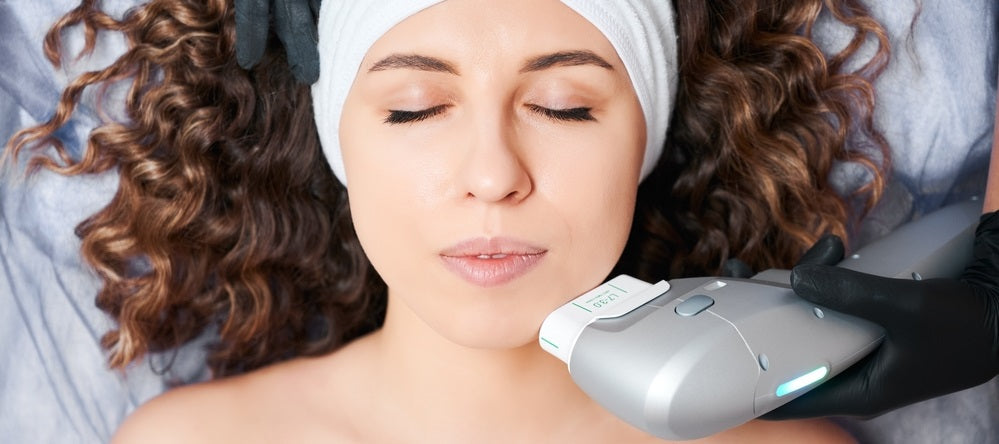
As we age, our skin begins to show proof of a life well-lived, whether that’s in the form of smile lines or softened contours. While this is completely natural, for many people, these shifts can feel out of step with the energy and confidence they carry inside.
Fortunately, there is non-surgical skin tightening—one of the fastest-growing categories in aesthetics.1 Dermatology has revolutionized the way we approach anti-aging solutions. These procedures are powered by energy, sound, and light, and may be gentler on your body while delivering visible benefits to your skin. Think of them as the middle ground between topical skincare and going under the knife: More powerful than creams and serums, but far less invasive than a facelift.
“Non-surgical skin tightening” is, however, an umbrella term. It can include radiofrequency, ultrasound, and even laser-based options, all of which work differently and deliver varying visible results. Some are backed by stronger scientific evidence, some require multiple sessions, and some excel in specific areas of the body.1
This blog will break down everything you need to know about these procedures for skin tightening, including how they work and what you can expect from them.
What Are Non-Surgical Skin Tightening Procedures?
At their core, non-surgical skin tightening procedures work by stimulating your body’s own repair systems.
- Most treatments utilize controlled energy (whether heat, sound waves, or light) to target the deeper layers of the skin.
- By creating just enough controlled “stress,” these technologies encourage the skin to start producing fresh structural proteins.2
- Over time, this process gradually firms, lifts, and smooths the treated area.
Unlike surgery, which physically removes or repositions tissue, these treatments rely on your body’s natural regenerative abilities. You may notice subtle tightening soon after a session, but the most apparent visible results emerge over weeks or months as fresh collagen and elastin take shape.3
Key Types of Non-Surgical Skin Tightening Procedures
While most people associate non-surgical skin tightening with the face, these procedures are also applied to the neck, jawline, abdomen, and arms—essentially, wherever you see mild to moderate laxity in the skin.
The main types of procedures include:
- Ultrasound – Ultrasound-based treatments work by delivering focused energy deep beneath the skin’s surface, reaching the layers where the structural support is built. Because it stimulates new collagen at this depth, ultrasound skin tightening is especially effective for lifting and defining the face, neck, and jawline. Improvements with this technique appear gradually, giving the skin a firmer, more contoured appearance over time.4
- Radiofrequency (RF) – Radiofrequency uses controlled heat to both contract existing collagen fibers and trigger fresh production. This two-step effect can create a subtle tightening you may notice right away, followed by longer-term improvements as collagen remodels.5 RF is highly versatile and is often used across the face, abdomen, arms, and other areas with early signs of laxity.6
- Laser and Intense Pulsed Light (IPL) – Laser treatment and IPL treatments combine light and heat to target the skin at multiple levels. Besides tightening, they can refine texture and tone, making them a strong choice for enhancing overall skin quality, besides firmness.7 Visible results build gradually and can be customized for each individual.
- Microneedling with RF – This treatment pairs the precision of microneedling with radiofrequency energy in a single session. The combination enhances collagen remodeling and can improve firmness and texture. Cosmetic procedures like these address sagging skin effectively and offer great alternatives for those looking to avoid surgery. It’s commonly used on the face and neck, but can also benefit other areas with mild to moderate laxity.
It’s essential to weigh the pros and cons of these skin-tightening procedures and consult with a dermatologist so that you can make an informed decision that’s aligned with your skincare goals.
Benefits and Limitations
Non-surgical skin tightening procedures have thoroughly earned their popularity, with a range of notable benefits.3
- The procedures are non-invasive, customizable, and require little to no downtime. They fit easily into a patient’s daily life.
- Because they work with your body’s own regenerative processes, their improvements appear gradually, creating outcomes that look natural and in harmony with your features. Patients often choose nonsurgical options for these benefits.
That said, it’s important to set realistic expectations, as limitations exist.8 For instance:
- Most skin-tightening treatments require a series of sessions to achieve visible results. Dermatologists often guide patients through this process.
- The changes, while significant, are not as dramatic as those resulting from surgery.
- To maintain firmness, periodic touch-ups are usually recommended. Cosmetic dermatologists often suggest combining treatments with a consistent skincare routine for visible results.
Ultimately, the right choice depends on your goals, your age, and the current condition of your skin. Consulting with a medical provider can clarify what cosmetic treatments are best for you.
The Science Behind Collagen and Elastin
The strength and resilience of your skin largely depend on two structural proteins: collagen and elastin.9
- Collagen provides the scaffolding that keeps your skin firm and lifted.
- Elastin lends your skin the flexibility to stretch and return to its original shape.
Both are produced by fibroblasts, which are specialized cells located in the dermis. Together, they form the extracellular matrix: the skin’s internal framework that keeps contours defined.10
As we age, production of these essential proteins naturally slows, leading to issues like sagging skin and wrinkles. Collagen production declines by about 1% per year starting in the mid-20s. Meanwhile, elastin loses its spring, leading to fine lines and a visible softening of definition.11 While lifestyle factors, such as sun exposure and stress, can account for a significant amount of visible facial aging, biology also plays a role.12
Fortunately, energy-based devices are available to step in and encourage collagen and elastin production, helping to tighten skin effectively.
- When controlled heat, sound waves, or light penetrate into the deeper layers of the skin, a precise form of “micro-stress” is created—akin to small, controlled wounds.13
- The body responds by activating fibroblasts to repair the wounds.
- As time passes, these fresh fibers weave into the skin’s matrix, restoring elasticity from within.14
Supporting this regeneration is critical for achieving (and maintaining) visible results. Professional treatments can initiate the process, but the skin’s ability to rebuild depends on consistent care, and sometimes complementary skincare.15
Put simply, non-surgical tightening doesn’t replace your skin’s architecture. Instead, it encourages it to rebuild itself.
Preparing for a Procedure
Your path to effective visible results begins well before the treatment itself. First, you’ll have a consultation with a qualified provider to ensure you choose the right treatment and understand what to expect.
In the days leading up to the session, your provider will recommend best practices to prime your skin and allow the technology to do its best work. These steps may include:
- Avoiding prolonged sun exposure
- Pausing certain key ingredients, such as retinoids or exfoliating acids (since they can make the skin more sensitive ahead of treatment)8
- Focusing on gentle hydration. For example, ALASTIN®’s Regenerating Skincare Nectar can be used before energy-based procedures to help strengthen the skin barrier.
ALASTIN is regenerative skincare on a whole other level, amplifying skin’s own natural abilities to deliver visible results.
What to Expect During and After
Most non-surgical tightening sessions are surprisingly straightforward.
- During the session – Treatments typically last less than an hour. While you may notice mild discomfort or a warm sensation during the procedure, it’s generally well-tolerated without anesthesia. Many patients describe it as an experience of controlled heat or gentle pressure rather than pain.16
- After the session – It’s common to see temporary redness, slight swelling, or tenderness in the treated areas following non-surgical skin tightening treatments. These effects usually resolve within hours to a few days, depending on the technology used and the sensitivity of your skin. Because downtime is minimal, most people can return to work or daily activities the same day.
Supporting your skin during this recovery phase is important. Patients are advised on specific post-treatment skincare. Providers often recommend:
- Soothing, non-fragrant moisturizers (with barrier-supporting ingredients like panthenol or zinc oxide)17
- Consistent sun protection
- Skincare that encourages healthy collagen remodeling
These steps help the skin transition smoothly from the initial stimulation phase to longer-term regeneration.
Enhancing Visible Results with Science-Backed Skincare
While the treatment itself triggers collagen and elastin production, proper post-procedure care can significantly extend your visible results. Skincare designed for recovery not only reduces visible redness and irritation but also supports the ongoing remodeling happening beneath the surface, enhancing the effects of nonsurgical procedures.15
ALASTIN’s TriHex Technology® is one example. TriHex Technology®—A blend of active peptides and key ingredients that works with the skin to help clear out damaged elastin and collagen, while supporting the skin’s natural ability to produce new, healthy, elastin and collagen.
In the long run, a consistent combination of nonsurgical skin tightening procedures and skincare routine becomes crucial to maintaining firmness and appearance.
Long-Term Maintenance and Lifestyle Factors
Non-surgical skin tightening is an ongoing process—not a one-time fix. You may require maintenance sessions to keep collagen and elastin production active.
Alongside professional care, everyday choices affect how your skin looks and feels over time. To that end, we recommend:
- Always using sun protection
- Eating a nutrient-rich diet that features vitamin C, vitamin A, and omega-3 fatty acids18
- Ensuring proper hydration
- Getting quality sleep
Ultimately, the most sustainable improvements come from a combined approach: in-office procedures to spark renewal and at-home care to maintain firmness.19
Start Your Skin’s Regenerative Journey with ALASTIN Skincare
While age is just a number, the way your skin looks and feels can greatly influence how confidently you carry that number. Non-surgical tightening treatments open the door to natural rejuvenation, and ALASTIN’s line of medical-grade skincare helps amplify and sustain those visible results.15
As pioneers in regenerative skincare, we’re committed to developing skin tightening products that work on a whole other level by amplifying skin’s own natural abilities to deliver visible results. It’s why ALASTIN is the number 1 most preferred physician-dispensed skincare brand overall and for pre-procedure care by physicians who carry ALASTIN*
*Data from Physician Dispensed Market Research Study wherein providers ranked top 3 brands (ALASTIN users N=120; May 2025)
Ready to give your skin the support it needs to look and feel its best? Explore our medical-grade skincare collection today!
Sources:
- PRS Global Open. Facial Rejuvenation: A Global Trend of Dermatological Procedures in the Last Decade. https://pmc.ncbi.nlm.nih.gov/articles/PMC11150033/
- ScienceDirect. The emerging role of nanotechnology in skincare. https://www.sciencedirect.com/science/article/pii/S0001868621000786
- American Board of Cosmetic Surgery. Non-surgical Skin Tightening. https://www.americanboardcosmeticsurgery.org/procedure-learning-center/non-surgical-procedures/skin-tightening/
- PRS Global Open. Use of Micro-focused Ultrasound for Skin Tightening of Mid and Lower Face. https://pmc.ncbi.nlm.nih.gov/articles/PMC7288869/
- PubMed Central. Radiofrequency facial rejuvenation: Evidence-based effect. https://pmc.ncbi.nlm.nih.gov/articles/PMC6541915/
- Cleveland Clinic. Radio Frequency (RF) Skin Tightening. https://my.clevelandclinic.org/health/treatments/24683-radio-frequency-rf-skin-tightening
- Medical News Today. What to know about intense pulsed light treatment. https://www.medicalnewstoday.com/articles/ipl-treatment
- American Academy of Dermatology. Many ways to firm sagging skin. https://www.aad.org/public/cosmetic/younger-looking/firm-sagging-skin
- International Journal of Molecular Sciences. Research Progress in Skin Aging, Metabolism, and Related Products. https://pmc.ncbi.nlm.nih.gov/articles/PMC10647560/
- PubMed Central. Fibroblasts: origins, definitions, and functions in health and disease. https://pmc.ncbi.nlm.nih.gov/articles/PMC8566693/
- The American Journal of Medicine. Effects of Collagen Supplements on Skin Aging: A Systematic Review and Meta-Analysis of Randomized Controlled Trials. https://www.sciencedirect.com/science/article/abs/pii/S0002934325002839
- Clinical, Cosmetic, and Investigational Dermatology. Effect of the sun on visible clinical signs of aging in Caucasian skin. https://pmc.ncbi.nlm.nih.gov/articles/PMC3790843/
- PubMed. Energy-Based Skin Rejuvenation: A Review of Mechanisms and Thermal Effects. https://pubmed.ncbi.nlm.nih.gov/39485034/
- PubMed Central. The Role of Fibroblasts in Skin Homeostasis and Repair. https://pmc.ncbi.nlm.nih.gov/articles/PMC11274439/
- PubMed. Extracellular Matrix Modulation: Optimizing Skin Care and Rejuvenation Procedures. https://pubmed.ncbi.nlm.nih.gov/27050707/
- PubMed Central. Multicenter study of noninvasive radiofrequency for periorbital tissue tightening. https://pubmed.ncbi.nlm.nih.gov/14571447/
- PubMed Central. Evaluation of the Efficacy and Safety of a Panthenol‐Enriched Mask for Skin Barrier Recovery After Facial Laser Treatment: Results of a Double‐Blind Randomized Controlled Study. https://pmc.ncbi.nlm.nih.gov/articles/PMC12232337/
- PubMed Central. Nutritional Dermatology: Optimizing Dietary Choices for Skin Health. https://pmc.ncbi.nlm.nih.gov/articles/PMC11723311/
- WebMD. What to Know About Skin Tightening. https://www.webmd.com/beauty/what-to-know-about-skin-tightening
(US-ALA-2500122)

Featured Products
4.8
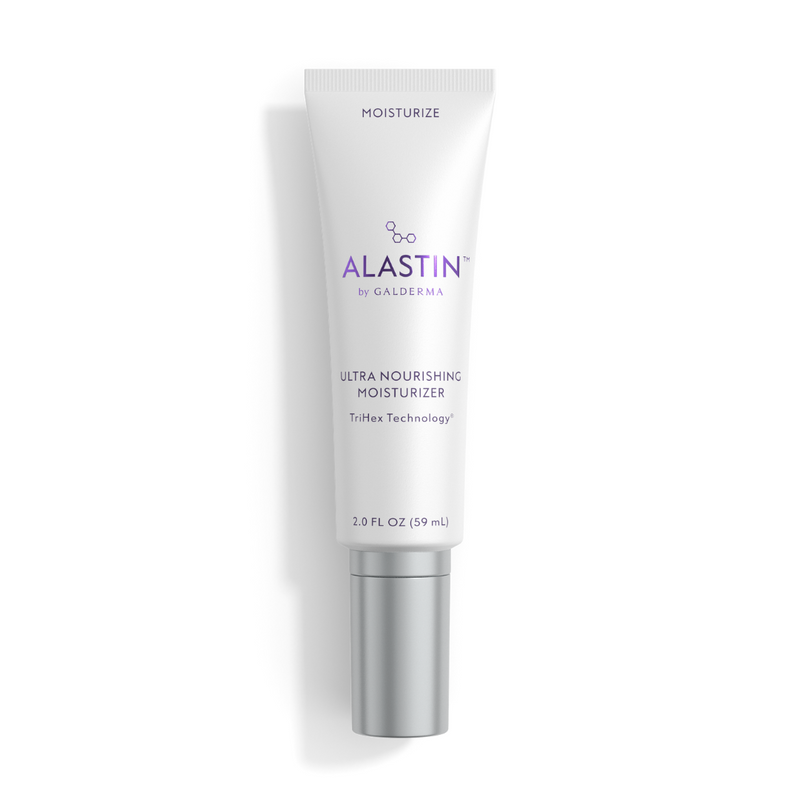
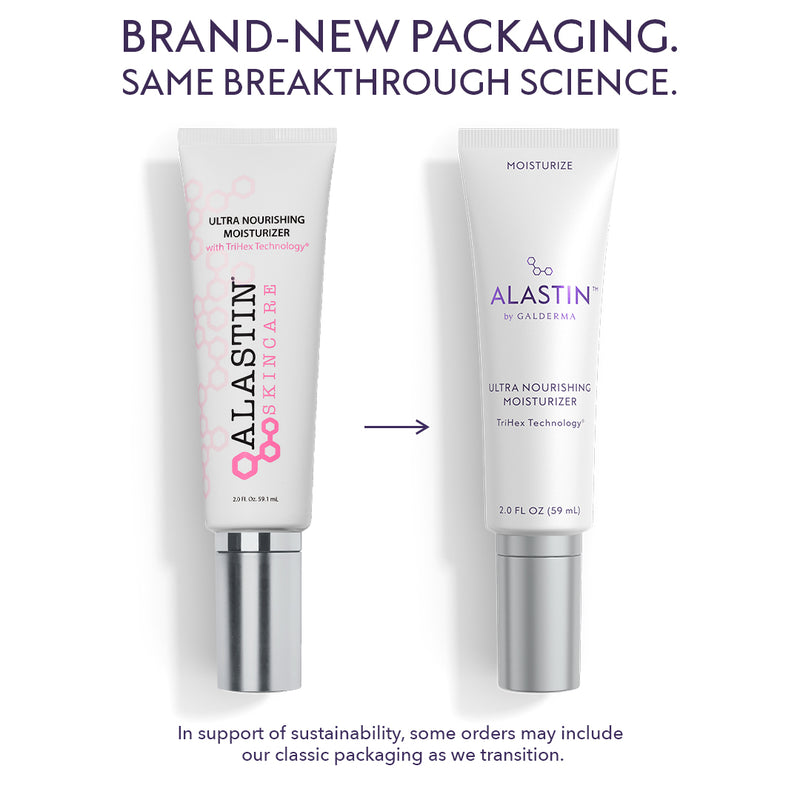
Ultra Nourishing Moisturizer with TriHex Technology®
$98.00
Designed to soothe, nourish, and hydrate skin.