You have no items in your bag
How to Visibly Tighten Skin After Weight Loss: Effective Solutions for Crepey and Sagging Skin
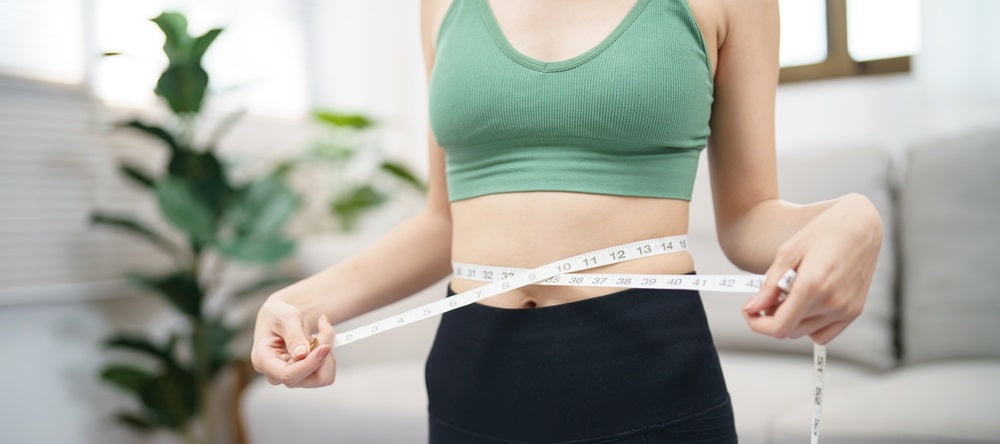
You’ve done the hard work of losing weight. But while your reflection shows incredible progress, your skin might need extra support to catch up.
Research shows that crepey skin is very common in patients who experience massive weight loss through medication and lifestyle changes.1 It’s simply how the skin responds when collagen and elastin have been stretched beyond capacity to rebound fully. Age, genetics, and the rate of weight loss all contribute to the visibility of these changes.
The good news is that you don’t have to worry about how to improve the appearance of crepey skin after weight loss. Advances in non-surgical procedures, combined with medical-grade skincare, can help visibly improve skin elasticity.
Understanding Skin Changes After Weight Loss
The skin is remarkably adaptive, but it has its limits. At its healthiest, elasticity comes from two structural proteins2:
- Collagen, which provides strength and firmness
- Elastin, which allows the skin to stretch and return to its original shape
When weight increases, the skin accommodates by expanding over time, weakening the collagen and elastin fibers. However, when weight decreases (especially in large amounts), the scaffolding may not recover fully.
The result is loose skin that features folds once supported by fat, as well as a fine, papery texture often described as crepey.3 Loose skin often requires careful consideration of both surgical and non-surgical options to improve its appearance.
The Role of Weight Loss Medication
When fat reduction is steady, the skin has more time to adjust; however, rapid loss gives it no opportunity to accommodate. This is especially true if you use newer therapies, such as GLP-1 receptor agonists to accelerate weight reduction dramatically.4
While these medications help change body composition, the skin may struggle to keep pace, resulting in more visible laxity. Consulting with a professional can guide patients towards the best methods to address loose skin after weight loss.
Normal Skin Aging vs. Post-Weight-Loss Skin
When discussing treatments for loose skin, it’s important to understand the difference between loose skin after weight loss vs. the normal course of skin aging.
- Chronological aging is a steady process. Collagen declines about 1% each year after early adulthood, elastin fibers become less springy, and external factors like UV exposure compound the damage.5 These changes accumulate over decades and usually present as fine lines and a gradual loss of firmness.
- In contrast, post-weight-loss changes can be sudden and more dramatic. The skin may fold, drape, or develop a crepey texture even in younger individuals, because the structural support was stretched and compromised before the weight came off.
This distinction matters for treatment. Post-weight-loss skin often needs intensive stimulation of fibroblasts (the cells responsible for producing new collagen and elastin) compared to routine age-related maintenance.6
Once you recognize this difference, it helps reframe loose skin not as a cosmetic flaw, but as a natural result of weight loss that can be improved with the right care.
Why Tightening Loose Skin is Challenging Post-Weight Loss
Once stretched, skin doesn’t always retract easily. Several factors determine just how much bounce-back is possible.
- Age – Aged skin shows markedly reduced collagen synthesis, which directly limits the skin’s ability to generate new structural protein after it has been stretched.7 Elastin, the “snap-back” protein, also degrades and becomes architecturally disorganized with age.8 Put simply, the older you are when you lose weight, the less capacity your skin has to rebuild its structure.
- Genetics – Inherited variations explain why some people inherit stronger connective tissue that resists sagging, while others can see visible laxity at a younger age.9
- Extent of weight loss – As mentioned, gradual weight loss allows the skin more time to adapt. Large or rapid losses (whether through lifestyle changes, surgery, or medications like GLP-1s) often outpace the skin’s ability to remodel.
Together, these factors explain why older adults (or those whose genetic profile predisposes them to weaker connective tissue) have less biological “reserve” to recover after substantial weight loss.10 The question then becomes how to visibly tighten loose skin after weight loss in a way that aligns with your body's natural capacity for improving skin elasticity.
Effective Solutions for Visibly Tightening Skin After Weight Loss
Skincare alone can’t replace what collagen and elastin naturally do in the skin, but the right formulations can make regeneration more effective.
For anyone searching for how to visibly tighten skin after weight loss, the process begins with ingredients that directly support renewal:
- Peptides, which signal fibroblasts to produce new collagen.11
- Antioxidants, which protect against free-radical damage.12
- Hydrators like hyaluronic acid, which visibly plump and support the extracellular matrix.13
This is exactly why ALASTIN® developed the targeted GLP-1 Skincare Bundle for when the skin’s structural needs are most urgent. ALASTIN is regenerative skincare on a whole other level, amplifying skin’s own natural abilities to deliver visible results.
- Restorative Skin Complex with TriHex + Technology® – The hero of the bundle, Restorative Skin Complex with TriHex+, goes beyond weight-loss support. It’s our flagship product for aging skin, designed to help support skin’s natural ability to produce new, healthy collagen and elatsin. And its impact is cumulative: The longer you use it, the more your skin reflects visible strength and vitality.
- TransFORM Body Treatment – The skin on the body deserves the same scientific care as the face. TransFORM Body Treatment, as part of our line of body care products, helps visibly firm and smooth areas most affected by weight change (arms, abdomen, and thighs) by supporting the skin’s natural remodeling process. It’s an effective companion from our body care products for those asking how to visibly improve sagging skin after weight loss without surgical intervention.
- Restorative Neck Complex – The neck, often one of the first areas to show saggy skin, benefits from this targeted formula. By addressing visible crepiness, Restorative Neck Complex helps promote more youthful-looking neck skin.
Together, these products create a regimen that enhances both natural skin repair and professional treatments.
Non-Invasive Treatments for Skin Tightening
Topical skincare lays the foundation, but for many, pairing it with professional non-invasive procedures delivers the most visible results.
Radiofrequency (RF)
RF treatments deliver controlled heat deep into the dermis, contracting existing collagen while prompting the formation of new fibers. This dual action creates both immediate firmness and progressive improvement over time.14
Microneedling with RF
By combining mechanical micro-injuries with radiofrequency, this hybrid approach penetrates the skin more effectively than microneedling alone.
Laser and Light-Based Therapy
Laser and IPL devices use focused light and heat to target both the surface and deeper layers of skin. Ultrasound technologies also serve as an effective non-surgical method to stimulate collagen production and tighten loose skin. Beyond tightening, they can improve tone and reduce uneven texture.15
Each of these treatments works best when the skin’s regenerative capacity is supported with the right at-home regimen.
Invasive Treatments
For some, topical skincare and non-invasive procedures provide all the needed support. However, after significant weight loss, collagen and elastin may be stretched beyond their ability to recover. In such cases, removing excess skin through surgery is often the only viable option. Patients should always thoroughly discuss surgical options with a certified surgeon to understand the removal and post-operative care involved.
While surgery delivers immediate change, it also creates new demands on the skin:
- Incisions must heal
- Tissue must be allowed to remodel
- The body must build fresh structural proteins
ALASTIN’s ReFORM & RePAIR Complex was created with moments like these in mind. Formulated with TriHex Technology®, peptides, and calming botanicals, it helps support the body’s natural production of healthy new collagen and elastin. Surgeons and patients alike have seen how it can effectively reduce visible procedure downtime and yield more refined, visible results.
Ultimately, ALASTIN’s products ensure the days following surgery are set up for success.
Lifestyle Changes to Improve Skin Elasticity and Appearance
Skincare and treatments are powerful, but daily choices will also shape how well your skin adapts after weight loss.
- Hydration – Water helps maintain the proper functioning of the extracellular matrix. Dehydrated skin can even appear noticeably more dull and slack, while well-hydrated skin retains its suppleness.
- Nutrients – Diets rich in lean protein provide the amino acids needed to build new collagen, while vitamins C and E act as antioxidants that protect those fibers from stress.16 Minerals like zinc and copper (part of a nutrient-dense plate) also help repair your connective tissue.17
- Exercise – Movement improves circulation, ensuring that oxygen and nutrients reach the dermis, where fibroblasts reside. Strength training, in particular, helps restore muscle tone beneath the skin, firming up the areas that may have lost volume after weight loss and supporting improved skin elasticity.
These changes may seem small, but together, healthy habits amplify the impact of everything else you do for your skin.
How to Incorporate the GLP-1 Bundle into Your Skincare Routine
The skin thrives on routine, and knowing exactly how to layer advanced formulas can help you maintain your visible results.
- Cleanse – Start by massaging a gentle cleanser into damp skin.
- Treat the face – Apply the Restorative Skin Complex to the face (after cleansing, before heavier creams). Use the recommended amount, smooth it evenly, and allow it to absorb for a few minutes.
- Treat the neck – Apply the Restorative Neck Complex to the neck and décolletage. Gently massage upward until absorbed.
- Treat the body – On clean, dry body skin (abdomen, inner arms, thighs), apply TransFORM Body Treatment to targeted areas. Massage until the product is absorbed.
- Seal and protect – Follow up with a moisturizer if needed. Every morning, finish with a broad-spectrum sunscreen (SPF 30 or higher). Sunscreen is non-negotiable whenever you’re supporting collagen, because UV damage can quickly undo your progress.
- Optional – If you use prescription actives (like retinoids), follow your clinician’s guidance about layering.
Notes on Using ALASTIN’s GLP-1 Bundle
To get the most out of these products, consider the following best practices:
- Prep the skin – Many clinicians recommend starting supportive skincare (such as the Restorative Skin Complex) several weeks before a procedure, so your skin is in better condition going into treatment.
- Post-procedure support – After energy-based treatments, resume or continue ALASTIN formulas as advised by your provider to support your skin’s natural fibroblast activity.
- Timing and activities – After a procedure, you may need to pause strong exfoliants or prescription treatments for some time while the barrier heals. Your provider will guide you on when to restart these products.
- Pairing products – While in-office treatments spark collagen production, consistent use of ALASTIN’s GLP-1 bundle will help support the skin’s continued natural production of collagen. When used together, they make the visible results more visible.
Stronger, More Resilient Skin Starts Here
Losing weight can change how you see yourself for the better. But when your skin doesn’t keep pace, it can feel like the final piece of the puzzle is missing. This is where targeted, regenerative, professional skincare products can make all the difference.
Each product in ALASTIN’s GLP-1 bundle is specifically designed to support your weight loss journey by strengthening facial skin, visibly refining the neck and décolletage, and visibly firming lax body skin.
Talk with a skincare professional about your goals, then bring ALASTIN's skin tightening products into your daily routine to extend and enhance those visible results.
The confidence you’ve worked hard for is within reach. Shop the GLP-1 bundle today.
Sources:
- Aesthetic Surgery Journal. Soft Tissue Facial Changes Following Massive Weight Loss Secondary to Medical and Surgical Bariatric Interventions: A Systematic Review. https://academic.oup.com/asjopenforum/article/doi/10.1093/asjof/ojae069/7739023?login=false
- International Journal of Molecular Sciences. Research Progress in Skin Aging, Metabolism, and Related Products. https://pmc.ncbi.nlm.nih.gov/articles/PMC10647560/
- The New York Times. They’ve Dropped the Weight. But What About the Skin? https://www.nytimes.com/2025/09/03/well/loose-skin-after-weight-loss.html
- PubMed Central. The Role of GLP‐1 Agonists in Esthetic Medicine: Exploring the Impact of Semaglutide on Body Contouring and Skin Health. https://pmc.ncbi.nlm.nih.gov/articles/PMC11845967/
- UCLA Health. Should you take collagen supplements? https://www.uclahealth.org/news/article/should-you-take-collagen-supplements
- PubMed Central. The Role of Fibroblasts in Skin Homeostasis and Repair. https://pmc.ncbi.nlm.nih.gov/articles/PMC11274439/
- The American Journal of Pathology. Decreased Collagen Production in Chronologically Aged Skin. https://pmc.ncbi.nlm.nih.gov/articles/PMC1606623/
- Scientific Reports. Influence of aging on dermal elastin fiber architecture and skin firmness assessed by finite element modeling. https://www.nature.com/articles/s41598-025-14393-2
- Journal of Physiological Anthropology. Genetic determinants of skin ageing: a systematic review and meta-analysis of genome-wide association studies and candidate genes. https://pmc.ncbi.nlm.nih.gov/articles/PMC11806588
- Plastic and Aesthetic Research. Skin collagen through the lifestages: importance for skin health and beauty. https://www.oaepublish.com/articles/2347-9264.2020.153
- Frontiers in Medicine. Collagen peptides affect collagen synthesis and the expression of collagen, elastin, and versican genes in cultured human dermal fibroblasts. https://pmc.ncbi.nlm.nih.gov/articles/PMC11094247/
- Cell Death Discovery. Free radicals and their impact on health and antioxidant defenses: a review. https://www.nature.com/articles/s41420-024-02278-8
- PubMed Central. Hyaluronic acid: A key molecule in skin aging. http://pmc.ncbi.nlm.nih.gov/articles/PMC3583886/
- PubMed Central. Radiofrequency facial rejuvenation: Evidence-based effect. https://pmc.ncbi.nlm.nih.gov/articles/PMC6541915/
- Medical News Today. What to know about intense pulsed light treatment. https://www.medicalnewstoday.com/articles/ipl-treatment
- MDPI. Animal, Plant, Collagen and Blended Dietary Proteins: Effects on Musculoskeletal Outcomes. https://www.mdpi.com/2072-6643/12/9/2670
- PubMed Central. Green strength: The role of micronutrients in plant-based diets for athletic performance enhancement. https://pmc.ncbi.nlm.nih.gov/articles/PMC11225853/
(US-ALA-2500102)

Featured Products
4.8


4.6
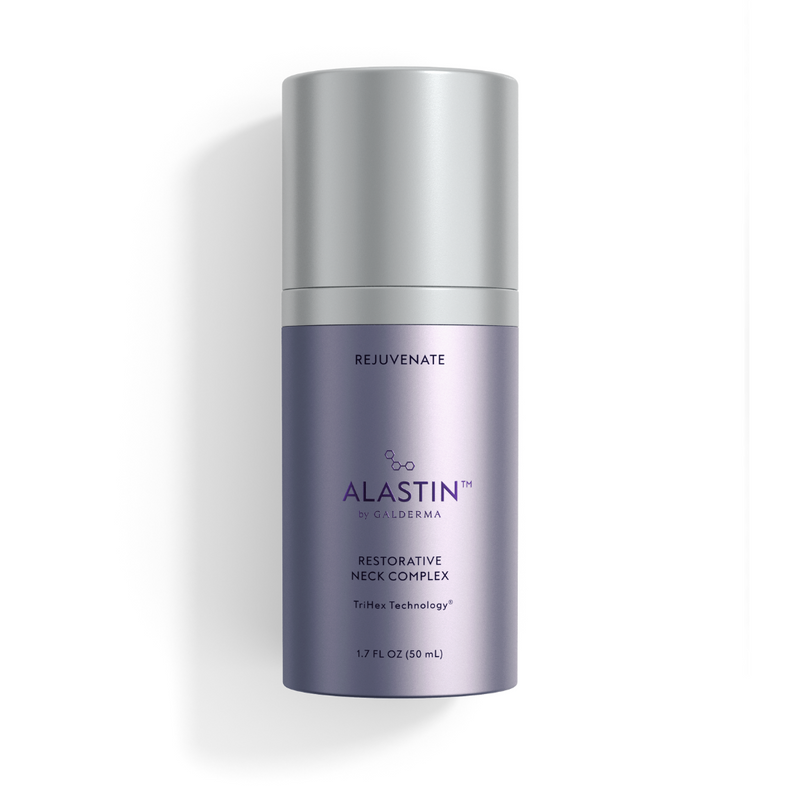
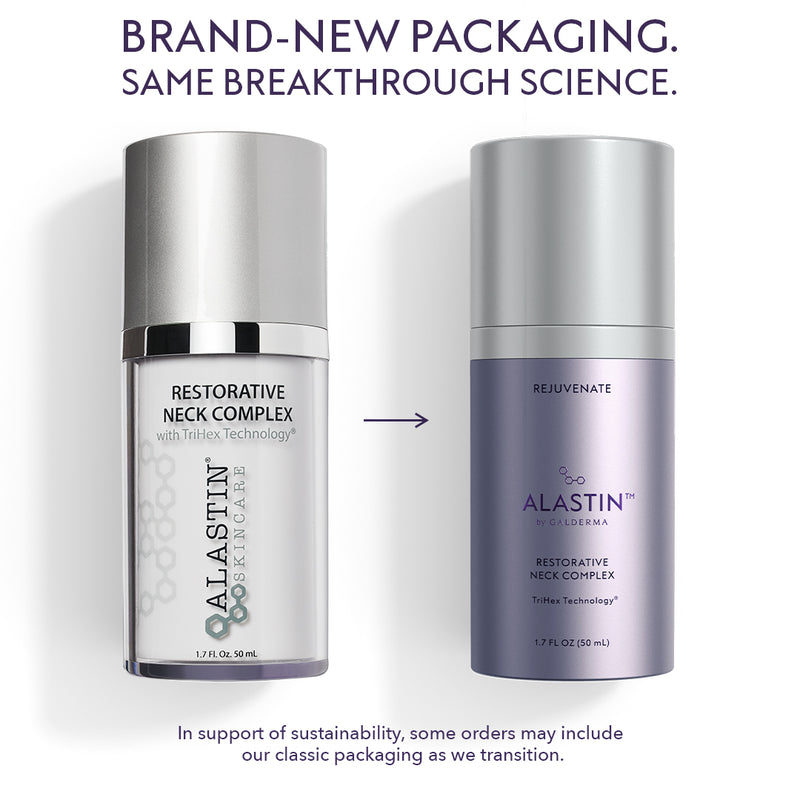
Restorative Neck Complex with TriHex Technology®
$158.00
Addresses crepey skin and discoloration on the neck area.
4.4

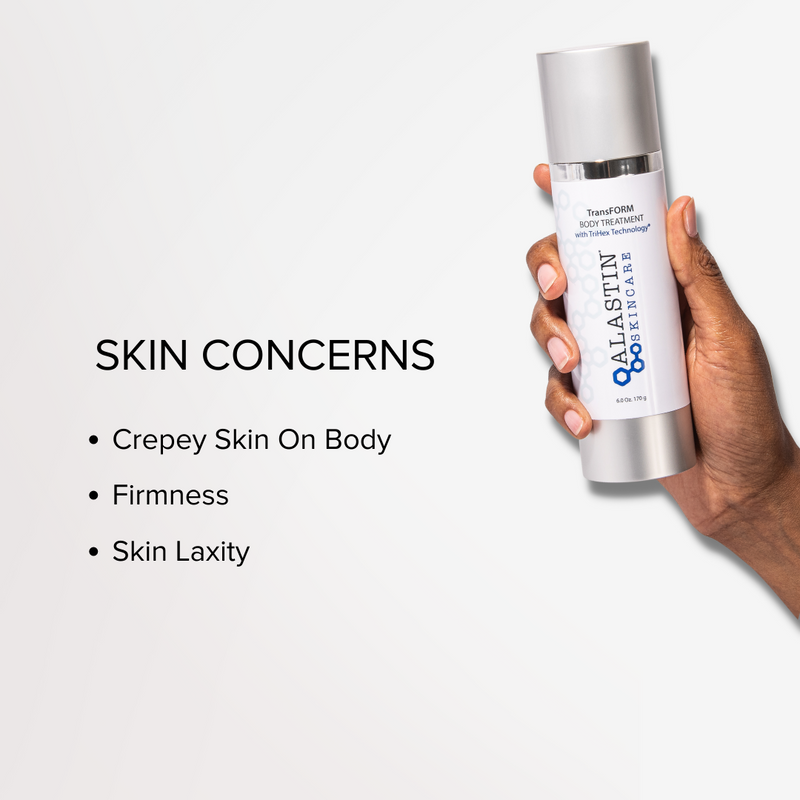
TransFORM Body Treatment with TriHex Technology®
$220.00
For tighter, more youthful looking skin all over the body.