You have no items in your bag
Why Skin Purging Is A Good Thing & How Does It Differ from Breakout
Updated Aug 28, 2026
As you’ve experienced life’s challenges, you may have heard this phrase a lot: “it gets worse before it gets better,” But how often does that happen? Jogging and sleep training your first child come to mind.
Then there’s skin purging.
If anything in skin care embodies the phrase “it gets worse before it gets better” it’s skin purging. But once you arrive at that “better” stage, it is the absolute best. Although it may not feel like it now, skin purging is a sign of fantastic things to come—namely, stunning long-term skin health.
What Is Skin Purging?
Skin purging is your skin’s reaction to a high cell turnover rate caused by treatments for certain conditions. So is skin purging good for your skin?
Well, here’s how it works:
Every day, your skin discards old skin cells. In fact, the body sheds between 30,000-40,000 cells a day.1 Certain ingredients in anti-acne or anti-aging skin care formulas can cause your skin cell turnover rate to speed up... a lot. But that’s a good thing! The goal of these treatments is to cycle your skin out of its older, less desirable layers, so you’re left with fresh, younger-looking skin.
However, there’s more than just shiny new skin that rises to the surface. Excess sebum, or facial oil, dead skin, buildup, and grime all come up, too. As your skin purges layers of older and less attractive skin, it’s also forcing up a bunch of skin junk, all at once.
What Ingredients Are Most Likely to Cause Skin Purging?
Skin purging doesn’t happen randomly. In most cases, it’s triggered when you start a new skin care product that accelerates the skin renewal process. Certain active ingredients increase cell turnover, which pushes congestion already trapped in the pore to the surface faster than usual.5 This is why purging happens soon after beginning a new skincare routine or using a new active ingredient.6
Purging typically occurs when using a product designed to exfoliate or renew the skin at a cellular level. While it may resemble acne, this reaction is part of the natural exfoliation process and often means the product is doing exactly what it’s supposed to do.
Knowing which ingredients cause purging helps your skin adapt safely. Purging is actually a sign that active ingredients are working beneath the surface, clearing congestion so newer, healthier skin can emerge.
What Does Skin Purging Look Like?
While no two skin purge experiences are exactly alike, skin purging most often presents in two ways2:
- Blemishes – All of that sebum, dead skin cells, and gunk that your skin is purging turns into a mix of every kind of pimple. This includes whiteheads, blackheads, cysts, pustules, papules, and tiny pre-pimples—all over the face. It will seem like a very bad case of acne.
- Dryness and peeling – Exfoliants or retinoids encourage the skin to shed old cells faster than ever. This can result in skin dryness on the face with itchy, peeling, or red skin. That peeling reveals skin that might be too new to protect itself from irritants or infections from clogged pores. Because of this, dry and peeling skin can also lead to breakouts during skin purging.
Remember the adage: it gets worse before it gets better. To get you through this, always remember to focus on the positives and why you’ve decided to skin purge in the first place. The skin’s surface is rejuvenating itself. If you want to end up with clear skin, you have to wait for the new skin cells to surface.
Why is Skin Purging a Good Thing?
Skin purging may give you horrible high school flashbacks, but what you’re experiencing is actually beneficial. Here are some of the benefits of skin purging:
- Your treatment is working – The sudden increase of blemishes means that the product is successfully increasing the skin cell turnover rate.
- Your breakouts will subside – These particular breakouts aren’t the ones you suffered through in high school. The accelerated cell turnover rate that’s happening from your new skincare product means the blemishes will heal quickly once the dead skin cells can be cleared away.
- Your new, beautiful skin is coming – And sooner than you might think.
How Long Does Skin Purging Last?
Generally, skin purging lasts as long as a full cycle of skin turnover. It’s the length of time it takes for the new skin—the fresh, shiny skin you’ve been suffering for—to get from the lowest layer of the epidermis to the surface as older layers naturally fall away. On average, a cycle takes between four to six weeks.3
That might seem like a long time, but try not to think of it as six weeks. Instead, think of the duration of your skin purging like this:
- 6 new weekly episodes of your favorite TV show
- 6 Taco Tuesdays
- 6 Sunday brunches
- 6 family movie nights
- 6 Thursday happy hours
- Or even 3 bi-weekly manicures
The more you focus on the time passing, the longer this part of your treatment will seem. But the less time you spend counting down the days, the more time you will spend enjoying your life and letting time fly naturally.
Can You Speed Up Skin Purging?
Unfortunately, you can’t speed up skin purging when trying out a new skincare product. The only thing you can do is give your skin the best possible treatment so it can recover quickly.
When Should You Stop a Product During Skin Purging?
Because skin purging is uncomfortable, it’s tempting to stop using a product right away. However, stopping too soon may interrupt progress toward clearer skin. The key is knowing how to tell the difference between skin purging and breakouts or a negative reaction.7
Signs It’s Normal Skin Purging
Skin purging is temporary and usually follows a predictable pattern. Here’s how to tell if purging is normal:
- You recently started a new skincare or began using a new active ingredient
- Breakouts appear in areas where you normally get acne
- Purging happens within the first few weeks of starting a new product
- Blemishes clear faster than usual
In these cases, allow your skin time to adjust. Purging is normal, and managing skin purging with gentle care helps your skin reach its renewal phase.
Signs You Should Stop Using the Product
Not all reactions are purging. Sometimes irritation signals a problem.8 Stop using the product if you notice:
- Widespread redness, burning, or swelling
- Severe itching or signs of an allergic reaction
- Breakouts appearing in areas you don’t normally experience acne
- Skin isn’t improving after 6–8 weeks
- Symptoms worsen instead of stabilizing
If purging leads to intense irritation or could lead to scarring, it’s best to stop using the product and consult a professional.
How to Deal with Skin Purging
Whatever your skincare goal may be, how you deal with skin purging can determine the outcome of your treatment. Try not to dwell on what’s happening now, and instead put practices in place to ensure wonderful skin in the future when all of this is over.
- Introduce the treatment slowly – As a preventative measure, introduce the anti-aging or acne treatment into your routine slowly. That means applying small amounts 2-3 times a week and gradually upping the dosage. You will let your skin become used to the new ingredients, and that may reduce the adverse effects of skin purging.
- Avoid touching your face – Think about everything you touch in a day, things like your food, public doorknobs, your dog, or your kids. Think about how much bacteria, dirt, and pollutants your skin may have come in contact with just by touching those things. Now imagine introducing that dirt and grime into your already vulnerable skin. Not so pretty, right?
Resist touching your face or poking at your blemishes. You’ll help to limit your skin’s exposure to external irritants or infections.
- Use gentle cleansers – You and your skin are going through a hard time right now. In both cases, the recommendation is to be gentle with yourself. Use a daily gentle cleanser to keep your skin calm and clean.
- Keep your skin hydrated – Hydration keeps the dermatological systems running smoothly and can reduce the drying, itching, and peeling of skin. Drink plenty of water throughout the day and try applying a fragrance-free nourishing moisturizer, morning and night.
- Stick to basics – Put down the snail slime face mask and step away from the pore strips. Maintain a simple day and night skincare routine, so your face has room to breathe and heal.
- Say no to scrubs – Skin purging is an extensive exfoliation process that works on a cellular level. Using scrubs or exfoliants (other than your treatment exfoliant) risks injuring or scarring your vulnerable skin. Leave your exfoliants in the medicine cabinet for some other time.
- Continue your treatment – Even if you know it’s causing your skin to purge, keep up with your treatment. Your skin has many layers of older cells to shed, and the more consistent you are with the treatment, the sooner the skin purging will be over.
- Wear sunscreen – Although it seems counterintuitive to put more stuff on your face during skin purging, sunscreen can help protect against scarring, permanent dark spots, and other things like crepey skin or orange peel skin.
Healthy Skin Tip: Don’t use the same old bottle of sunscreen you’ve been lugging to the beach for the last year. Give your skin healthy protection and moisture with tinted sunscreen.
An Important Note on Skin Purging vs Breakouts: What’s the Difference?
You might be unsure if you’re experiencing skin purging or just a lot of breakouts. Luckily, there are a few ways to easily distinguish what’s happening with your skin.4
It’s most likely skin purging if...
- You’ve recently introduced a skincare product into your routine that contains any of the following ingredients:
- Glycolic acid (AHA)
- Salicylic acid (BHA)
- Vitamin C
- Retinoids
- The breakouts aren’t limited to one area but are spread out all over your face, including areas you don’t usually experience blemishes.
- The acne clears up faster than normal.
- The blemishes present as normal acne as well as skin-colored bumps.
It’s most likely acne if...
- You’ve recently introduced a new makeup or oil-based product into your skincare routine.
- The blemishes are limited to certain areas of the face.
- You’ve had changes in your daily life such as:
- An increase in stress
- A change in diet
- Hormonal fluctuations based on cycle or maturation
- The breakouts last more than eight weeks.
Take a good look at your skin, products, and routine to find out whether you’re experiencing skin purging or breakouts. But if you’re not sure, it’s always best to give your dermatologist a call. Also, when introducing new products into your skincare routine, be sure they are made with high-quality ingredients.
From Purging Skin to Glowing Skin
When you’re going through skin purging, it can seem like the end result won’t be worth it. But you are definitely tougher than skin purging. Use these tips, stick with a skin care routine, and keep your skin health goals in mind. You’ve got this.
After all, what are a few weeks of skin cell purging when the result is long-term stunning skin?
For Outstanding Results, Try ALASTIN
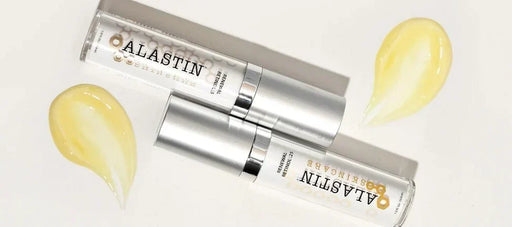
If you’re looking to start your journey to incredible skin health, ALASTIN’s got your back. We’ve formulated the ALASTIN Retinol to be hydrating as well as exfoliating to minimize irritation and redness. Our Restorative Skin Complex with TriHex Technology® is also one of our most powerful formulas yet, helping to restore the skin to reveal a brighter, more youthful glow. Reveal your true, naturally gorgeous skin with this award-winning skincare line and an unbeatable team of skincare experts at ALASTIN.
Sources:
- American Academy of Dermatology. Basic skin care. www.aad.org/public/parents-kids/healthy-habits/parents/kids/how-skin-grow
- Healthline. The Secrets to Deciphering — and Stopping — Skin Purging. www.healthline.com/health/beauty-skin-care/skin-purging#what-to-do
- American Skin Association. Healthy skin. www.americanskin.org/resource/
- Allure. Breakouts Vs. “Skin Purging”: How to Tell the Difference. www.allure.com/story/how-to-tell-the-difference-between-breakouts-and-skin-purging
- PubMed. Retinoids: active molecules influencing skin structure formation in cosmetic and dermatological treatments. https://pmc.ncbi.nlm.nih.gov/articles/PMC6791161/
- WebMD. Skin Purging: Causes, Signs, and Treatment. https://www.webmd.com/beauty/skin-purging-causes-signs-and-treatment
- Medical News Today. What to know about skin purging. https://www.medicalnewstoday.com/articles/skin-purging-vs-breakout
- PubMed. A Comprehensive Review of the Strategies to Reduce Retinoid-Induced Skin Irritation in Topical Formulation. https://pmc.ncbi.nlm.nih.gov/articles/PMC11344648/

Featured Products
4.7


4.8
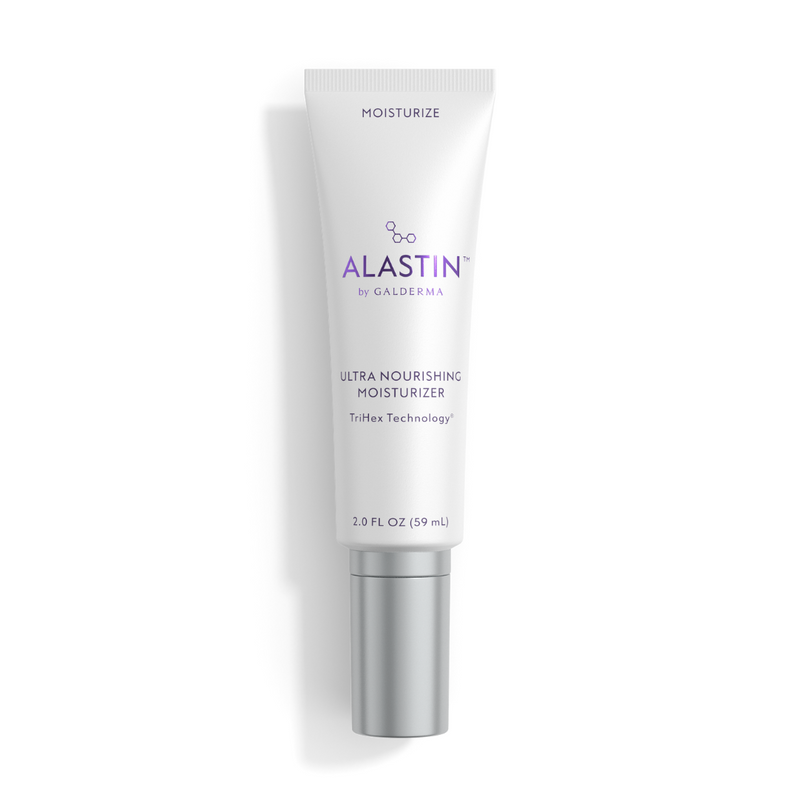
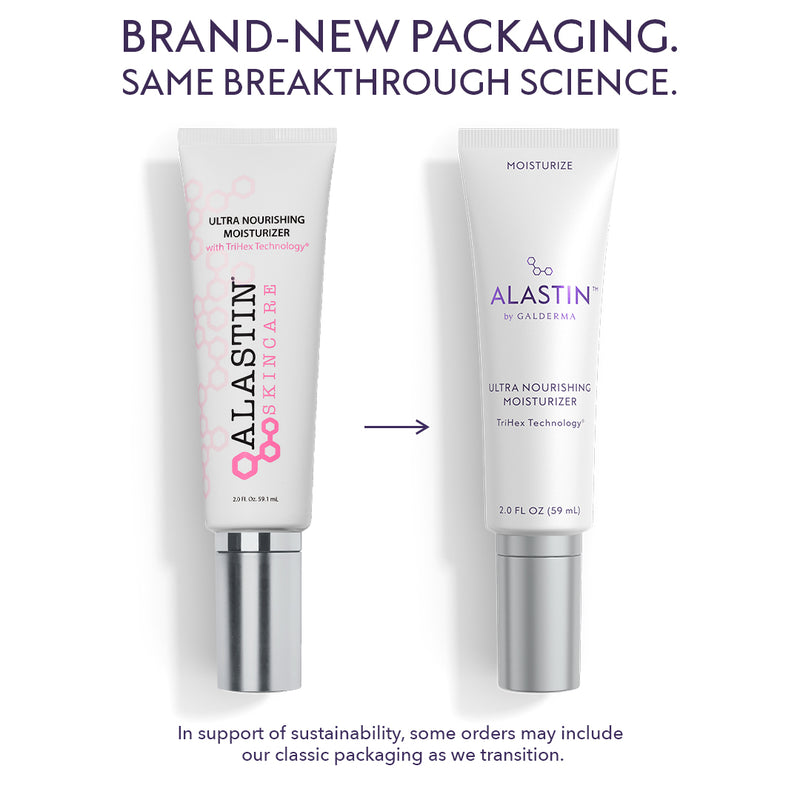
Ultra Nourishing Moisturizer with TriHex Technology®
$98.00
Designed to soothe, nourish, and hydrate skin.
4.8
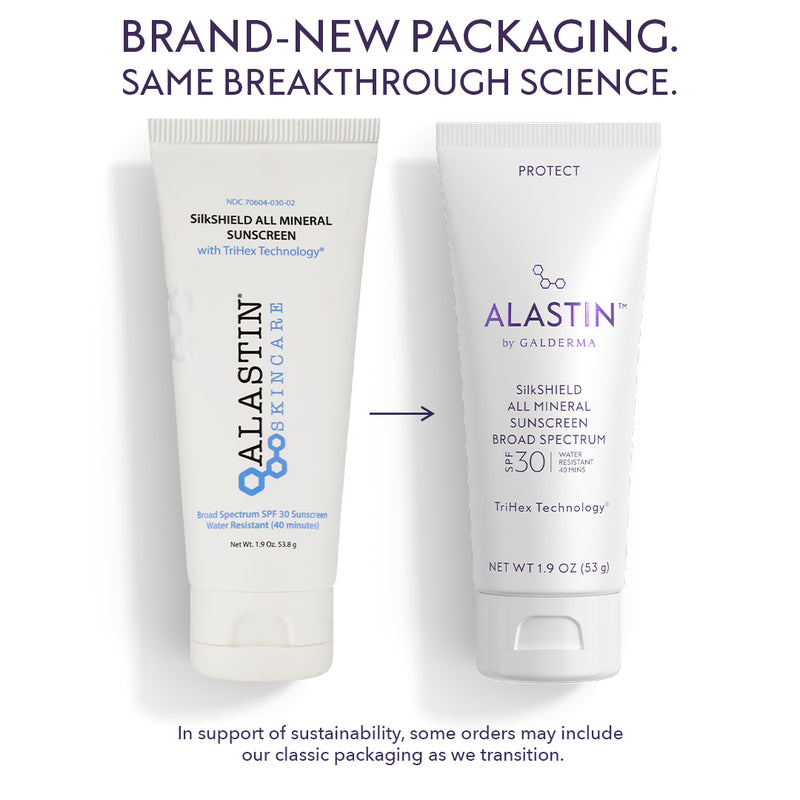
SilkSHIELD® All Mineral Sunscreen SPF 30 with TriHex Technology®
$78.00
A mineral sunscreen with gentle protection.